
Fruit
Bananas are botanically berries, strawberries aren't.
Botanists classify a berry as a single-ovary fruit with a soft rind. Bananas qualify. Strawberries, with seeds on the outside, are 'aggregate accessory fruits'.
Food Facts
A growing library of short, beautifully-told stories about the food on your counter.
Fruit
Botanists classify a berry as a single-ovary fruit with a soft rind. Bananas qualify. Strawberries, with seeds on the outside, are 'aggregate accessory fruits'.

Pantry
Archaeologists have unearthed sealed honey pots in Egyptian tombs, over 3,000 years old, and still perfectly edible. Low water, low pH, natural hydrogen peroxide.
Spice
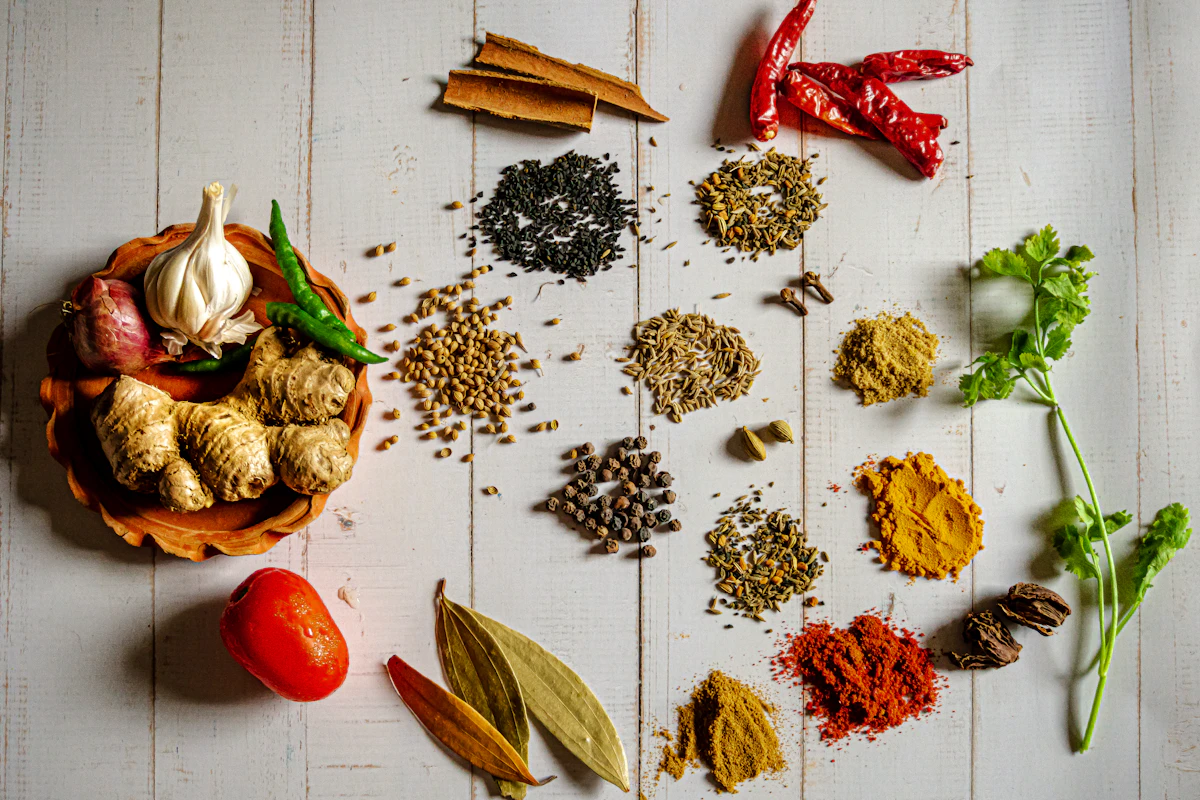
It takes roughly 75,000 crocus flowers, all hand-picked at dawn, to yield a single pound. That's why chefs measure it in threads, not spoons.

Science
A French study found strangers were significantly more likely to help someone drop a glove near a bakery than near a neutral shop. Yeast, meet empathy.

Vegetable
For centuries carrots were purple, white or yellow. The now-familiar orange root was cultivated in 17th-century Netherlands, a patriotic nod to the House of Orange.

Drink
Inside each coffee cherry are two green seeds. Roast them, grind them, brew them, and the world's second-most-traded commodity begins its morning.

Fruit
A single pineapple plant produces just one fruit per cycle, and each cycle spans 18 to 24 months. It is, in the most literal sense, a slow food.

Science
The Aztecs valued cacao beans so highly that they used them as money. A single turkey hen was worth 100 beans; an avocado, three.
Pantry
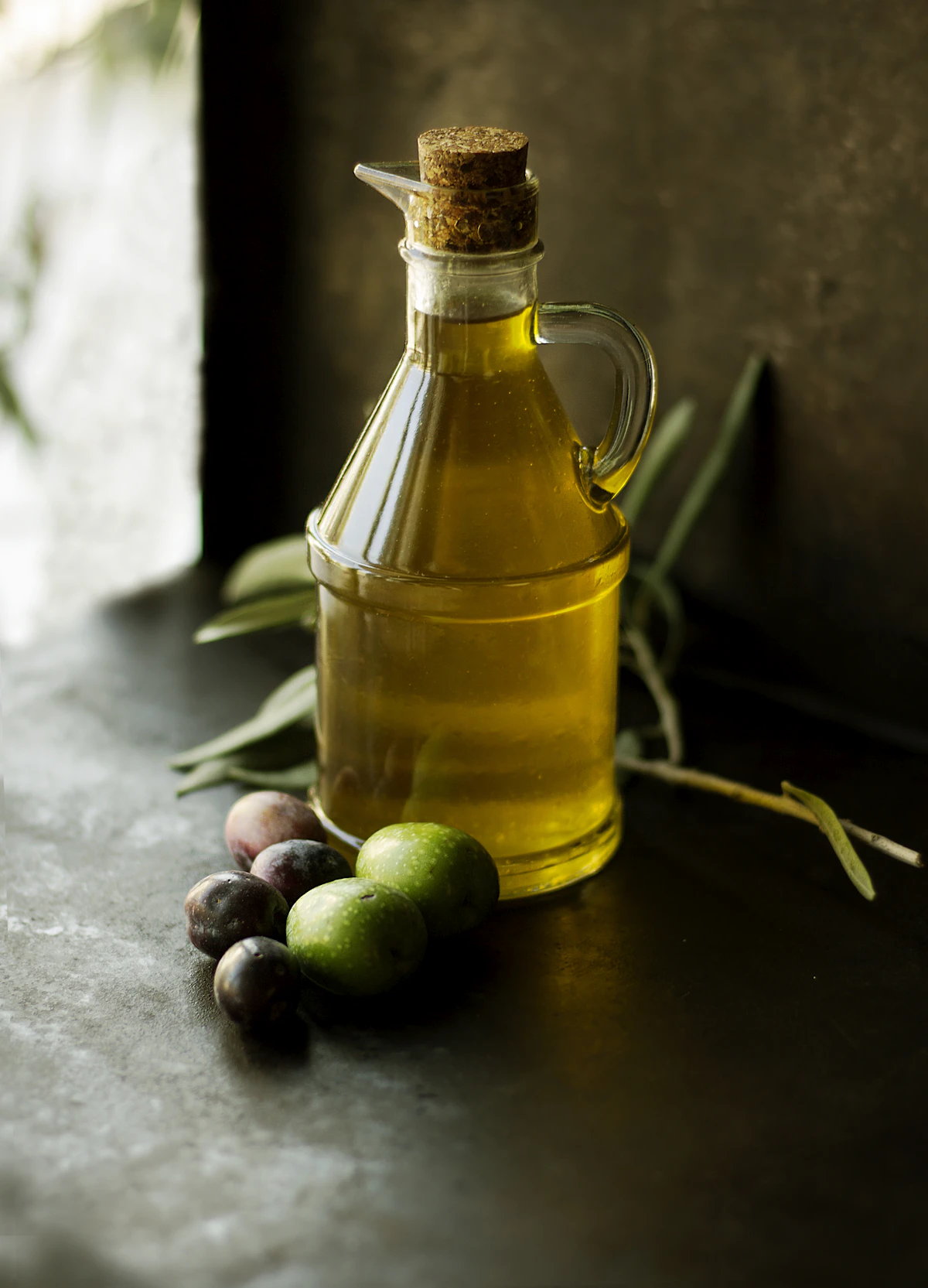
Certified tasters describe it with words like 'grassy,' 'peppery,' 'artichoke,' and 'fresh-cut hay.' A pungent finish is a mark of high polyphenol content, a sign of quality.